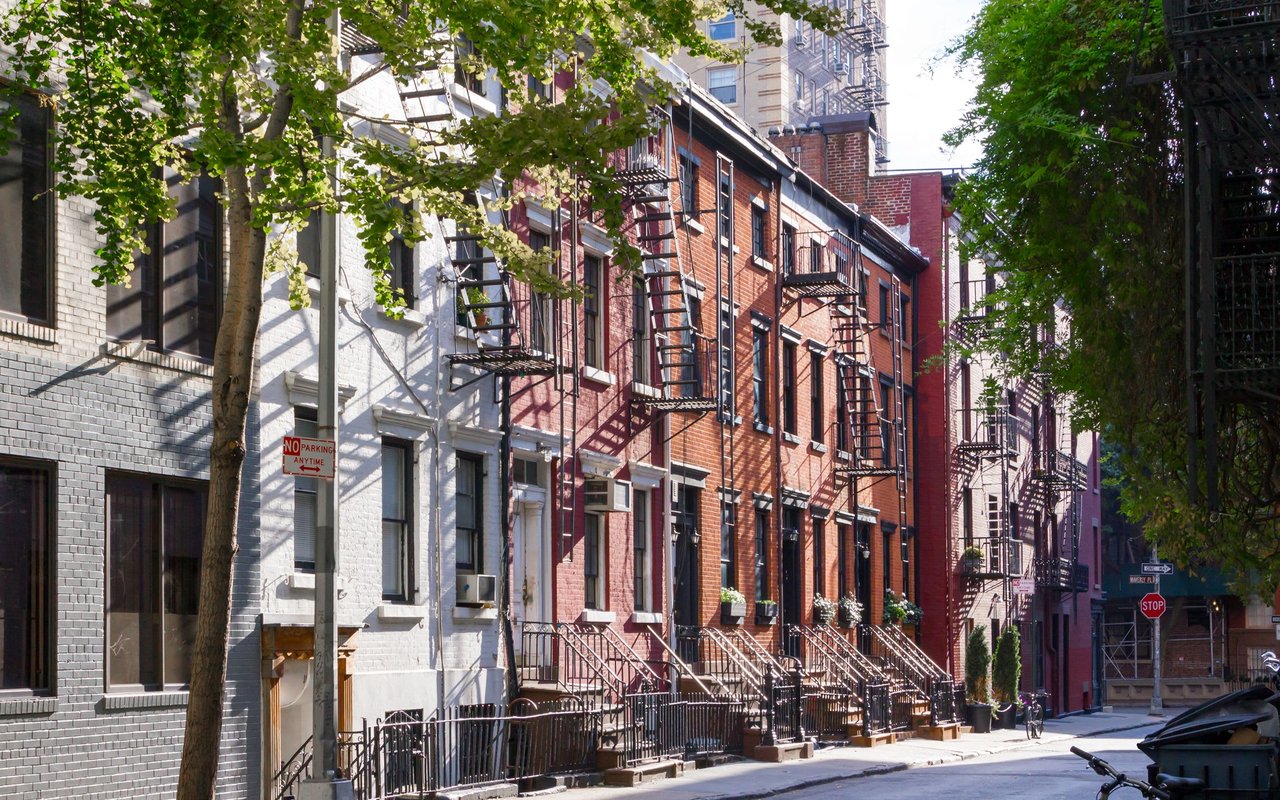
Walk west on Bleecker past MacDougal on any given night and the block still performs its old trick: neon over a low doorway, a cover band inside doing something loud and familiar, a line of people who could be locals or could be visitors chasing the ghost of a folk scene that mostly moved on decades ago. Café Wha? has held that corner since 1958. What it hasn't had, in all that time, is real competition from something new.
That changes this fall. Bleecker Bell, a 200-capacity listening room at 163 Bleecker Street, is set to open just steps from Café Wha?, and the detail that actually matters here isn't the room itself. It's who signed the lease. Bleecker Bell comes from the same ownership group behind Café Wha? and Groove, working with the concert promotion company Village Presents. This isn't a hospitality group parachuting into a neighborhood with nostalgia as a marketing angle. It's the family that already owns the block deciding the block is worth a second address.
Twenty Years Is a Long Time to Wait for New Capital
The people behind the project are calling Bleecker Bell the first new music venue on Bleecker Street in roughly two decades, and that number is worth sitting with. This is a stretch of Manhattan that built its identity on turnover, on rooms opening and closing every few years as one wave of performers gave way to the next. For that same strip to go twenty years without a genuinely new club is the exception, not the rule. It means the operators who know this business best, the ones who've watched the block's economics up close longer than almost anyone, spent two decades deciding it wasn't the right moment to expand. Whatever changed their calculation this year is worth noticing.
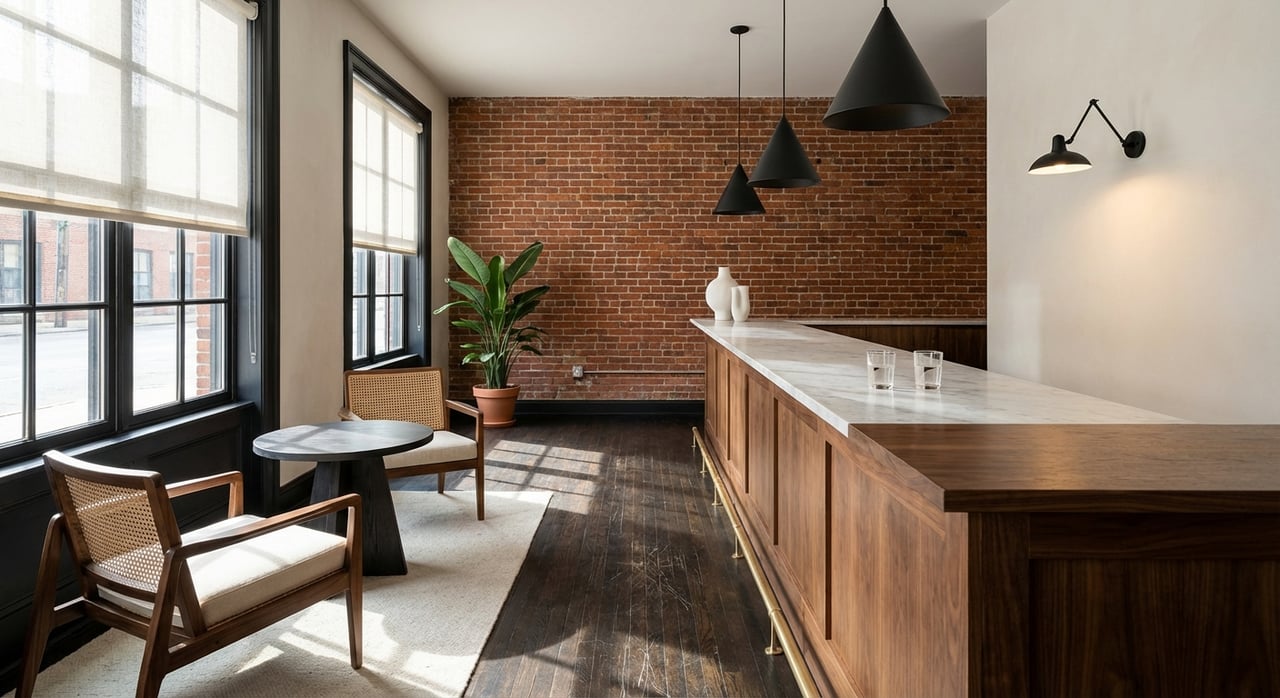
The room itself is built for the kind of show Bleecker built its reputation on: a full bar, a green room, table and banquette seating, and a double-height ceiling with a mezzanine looking down over the stage, all wired for the sound and lighting a touring act expects in 2026. Village Presents will book the calendar across folk, Americana, jazz and rock, which is squarely the same lane Café Wha? has worked for almost seventy years. Talent buyer Drew Hart put the pitch simply: the goal is to keep the tiny-club intimacy that made Bleecker Street matter in the first place, just with the equipment upgraded.
The Festival Is Making the Same Argument, Just With a Longer Guest List
If Bleecker Bell were the only signal, you could read it as one operator's bet. It isn't the only signal. The Village Trip, the annual festival covering both Greenwich Village and the East Village, runs September 25 through October 4 this year, and its 2026 program reads like an institutional vote of confidence in the exact same history Bleecker Bell is banking on.
The festival's headline weekend includes a free concert on Saturday, October 3 in the Meatpacking District's Gansevoort Plaza, with The Slambovian Circus of Dreams playing to whoever wanders over from the surrounding restaurants and bars. A tribute concert to Paul Robeson, whose career took shape in the bohemian scene of 1920s Greenwich Village, brings baritone James C. Martin to the stage with new work written in Robeson's honor. And the festival closes on October 4 with a fortieth-anniversary celebration of the Greenwich Village Folk Festival, featuring Suzanne Vega at Cooper Union's Great Hall, the same artist who headlined the Village Trip's very first concert in Washington Square Park back in 2018.
None of this is background noise for a single new bar to hide behind. It's a coordinated argument, made by a festival now in its ninth year, that the folk and music history of these blocks isn't a marketing story invented for tourists. It's a living thread that the neighborhood's own cultural institutions keep pulling on, year after year, with real names attached.
A Different Kind of Bet, Two Blocks Away
Not every new opening this season is playing the legacy card. At 58 West 8th Street, a shop called The Shelf is putting down what its owner, Sloane Kraftsow, describes as permanent roots after a run of pop-ups around the city. The concept is a curated grocery and lifestyle shop, stocking emerging food, drink and beauty brands sold individually rather than by the case, so a customer can try something new without committing to a full pack.
There's no folk-music throughline here, no fiftieth-anniversary tie-in. What The Shelf represents is a smaller, newer operator choosing to commit real square footage to a stretch of Eighth Street that has cycled through plenty of short-lived retail over the years. Read next to Bleecker Bell, it tells a broader story than either opening does alone: this fall, Greenwich Village is drawing both kinds of investment at once, the legacy operators doubling down on the blocks they already own and first-time retailers willing to sign a lease instead of running another pop-up. That's a different kind of confidence than a single splashy opening usually signals.
The Season, If You're Actually Planning Around It
For residents who want the practical version of all this, the next few weeks stack up densely:
- Now through fall: Bleecker Bell is under construction at 163 Bleecker Street, with an opening date to be confirmed on the venue's own site as it nears completion.
- September 25 to October 4: The Village Trip runs its full ten-day program across Greenwich Village and the East Village, with tickets and the complete schedule at thevillagetrip.com.
- Saturday, October 3: The festival's free concert takes over Gansevoort Plaza in the Meatpacking District, an easy walk from most of the West Village and Greenwich Village.
- Sunday, October 4: The closing celebration, with Suzanne Vega marking the Greenwich Village Folk Festival's fortieth anniversary, happens at Cooper Union's Great Hall.
- Ongoing: The Shelf is expected to open at 58 West 8th Street after Kraftsow's series of pop-ups around the city.
The Part That's Easy to Miss
It would be simple to file all of this under "new things opening in the Village," the kind of roundup that could describe almost any season in almost any Manhattan neighborhood. What makes this fall different is the ownership behind it. A twenty-year gap in new music venues on Bleecker Street just closed, and it closed because the people who've run that block the longest decided to reinvest in it themselves. A festival now old enough to have its own history is spending its ninth year pointing straight back at the same folk revival that made these streets famous, with the same artist who opened its very first show. And a newer, smaller retailer is betting that a side street with a reputation for turnover is worth signing a real lease on.
Taken together, that's not a neighborhood chasing its own nostalgia. It's a neighborhood where the people closest to its history, and some who are new to it, are all deciding the same season is the right one to commit.
If you're already living on these blocks, none of this requires you to do anything but show up. If you're the kind of person who pays attention to which neighborhoods keep drawing this kind of investment from the people who know them best, that's a different conversation, and it's one we have often at Mark O'Brien Real Estate. We've written before about what it actually takes to buy into a historic Greenwich Village block, from co-op board packages to choosing between a townhouse and a condo, if you want the deeper version of that conversation. For now, get to Cooper Union on October 4. Suzanne Vega only turns the Folk Festival forty once.